Monday, December 13, 2010

Avignon

Remember that song they taught in French class? "Sur le pont d'Avignon, on y danse on y danse..." Well, this is THAT pont (pont means bridge). It was built between 1171 and 1185, and it used to be a full 22 arches across the Rhône River, but these 4 arches are all that exists now.

The new version (1876- so new) of the song made a mistake in saying sur le pont (on the bridge), because people would actually gather sous le pont (under the bridge). If you look across the river in the photo below, that grassy area is part of an island the bridge crossed over (there's more river behind that). So that is where they would dance, or so I am told.

So here you can see what Avignon was like in 1635, on the top left you see the bridge across the Rhône and note how little is left from the original. Ancient France really liked building walls around their cities. Unlike Nîmes, much of this rampart is still standing, which is really interesting to see now.
HISTORICAL FACT: In the 14th century, the poet Petrarch described Avignon as the "most foul and stinking city on Earth." I was incredibly sick on this particular day, but I didn't want to miss out so I went anyway. Once I heard about this quote, I perked up. Though my stomach troubles were unpleasant, they were at least metaphorical and historically relevant.

Here's a view.


 Heading into the Palais des Papes (The Popes' Palace). This was the residence of the Popes from 1309 to 1377, when there was too much violence and chaos in Rome. These years are called called "the Avignon Papacy." Popes Clement V, Benedict XII, Clement VI, InnocentVI, and Urban V all lived here during their time as Pope.


(Hogwarts?!)

"Will Juliana be sick in my old house? (shake shake shake) Signs point to yes!"
(ugh, I was so embarrassed. )


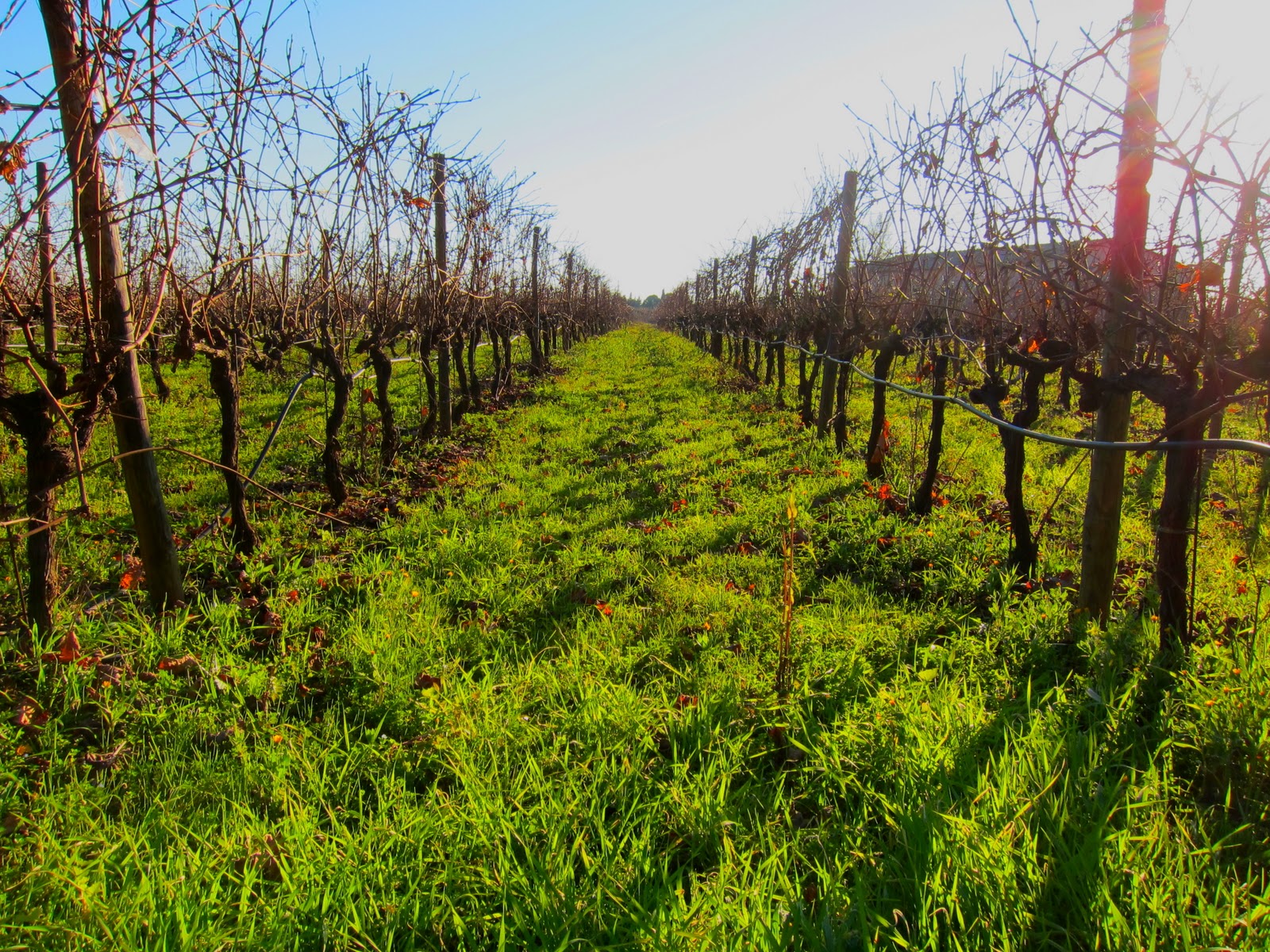
Then we went to a vineyard to see the wine-making process.


That's a good donkey.

These are all full of fermenting wines.

 It was pretty.


Sunday, December 5, 2010

Thanksgiving in France?


As an American, it was a little sad when Halloween had rolled around and there were no real Halloween festivities. So I began to get discouraged that it was Thanksgiving time and I knew I would not be indulging in turkey and stuffing and historically inaccurate cartoons of pilgrims and Native Americans.... oh no, wait a minute!


On campus I had found a little flyer for this church holding a FREE traditional American Thanksgiving dinner. To prove its legitimacy, there was a cornucopia on the flyer, so I knew these people knew what was up. So some friends and I embarked on a Thanksgiving mission, and it delivered.


 That's the stuff!


Wednesday, December 1, 2010

Le Pont du Gard


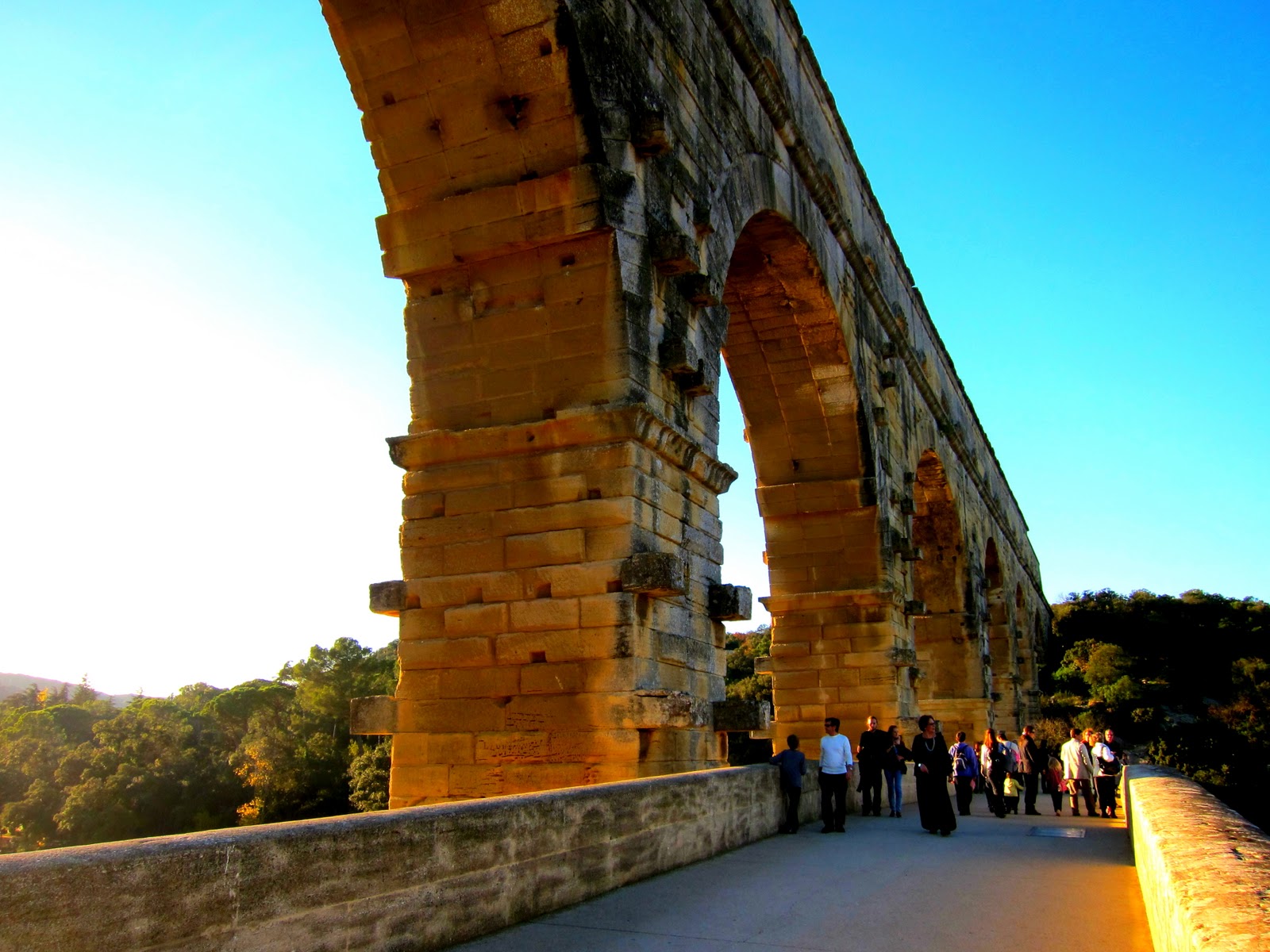
The Pont du Gard is an ancient Roman aqueduct bridge. It stands 160 ft high, and was a part of a 31 mile long aqueduct which formerly carried an estimated 44 million gallons of water a day to the fountains, baths and homes of the citizens of Nîmes (see previous entries). It is BEAUTIFUL.


 Me and Ryan were a couple of rebels and sat on the edge. (That red thing below is a person picnicking.) 


Just some 1774 graffiti


my tourist photo.

the ride back was beautiful.

Sunday, November 28, 2010

Nîmes- part deux


Le Temple de Diana
This temple is quite mysterious, as no one knows when exactly it was built, or to which deity or God it was dedicated. It is estimated that it was built during the 2nd century, and was a part of the Roman baths, as it is situated on the Jardins de la Fontianes. It became a Convent Church for the Benedictine Monastery of St. Savoir in 991, and was a very well-known church throughout the middle ages, but was severely damaged during the Wars of Religion. It is interesting to read about what it originally looked like, because it has been through so much. Apparently, the central hall used to display rich interior decoration like Corinthian pilasters and pillars. It had an entire second floor, which is no longer (but the stairs still exist). A very interesting place to visit.


Les Jardins de la Fontaine
This is one of the most relaxing and beautiful parks I've ever been to. It is the site of the ancient Roman water spring (la source). Though it was abandoned since the early 1700s, as the city grew and a larger source of water was needed, they did research on this abandoned site and realized that it was a rather complex series of channels that had allowed water access to the ancient city of Nîmes. It is mainly just decorative now, but it gives you a good idea of how water was sourced in the city during the Roman era. It was also nice to walk through. There were so many small bridges over water channels, and there's always water under you, so you're always hear the sound of lightly flowing water. It's really gorgeous.


I really really liked this sculpture


 Streets in Nîmes just look like this... so... I'm moving there?

Thursday, November 25, 2010

Nîmes


(shot from inside the arène)

Nîmes is a very beautiful, very historically-rich city. It became a Roman colony sometime before 28 BC. Augustus was the famous Roman who lead Nîmes. The city was reinforced by fourteen towers along a great wall surrounding everything (the wall is long gone because Napoleon had it knocked down, but the gates still exist, one of which you'll see below). An aqueduct was built to bring the city water from the hills to the north (part of which being the Pont du Gard, which I'll have photos of up later). The original Nîmes has been very well preserved, and I loved going there and seeing all the true old Roman buildings (especially the arène, where I imagined the gladiators fighting right in front of me, like they did hundreds of years ago).

This is the arène. It is a Roman amphitheater from the 1st-2nd century (that is OLD). It is the best-preserved roman amphitheater in France. It was used for all kinds of entertainment/celebrations (like gladiator fights!), also serving as a section of the defensive wall surrounding the old city:
(Here is what Nîmes looked like in the 1570s, see the amphitheater over there on the left? You can also see the Maison Carée towards the top of the walled city, which you'll see pictures of below)

Here is Nîmes now (Thank you, Wikipedia)


The rich important people would sit up front, and the commoners (eww!) would sit further back. The oval shape of the amphitheater (as opposed to circular) allowed for maximized seating without compromising view or sound. Typically prisoners, or people who were sentenced to death, would have to fight one another in the middle ring. Or sometimes, when the Romans had come back from a journey to some far away land, they would come back with some kind of fierce exotic animal for the gladiator to fight. Because people were so entertained by all this, they began actually training the prisoners to fight while they were imprisoned. It was good for the prisoners because they wanted to be prepared if they were ever thrown into the ring, and it was good for everyone else because they got a good show out of it. And through this, certain former prisoners became crowd favorites and heros. It was so surreal to be there and think about all the death that happened down on that sandy ring.


 Remember how I was saying that the city used to be surrounded in a protective wall? Well this wall had only two gates to get in and out of the city, and they still exist. This is one of them, called the Porta Augusta:


La Maison Carée (The Square House)
This is a small Roman temple built around 19 BC, and is again one of the best-preserved Roman temples in the world (which may be why it was being worked on when I was there and couldn't go in). You can see this incredible intricate detail all over it:


More to come!